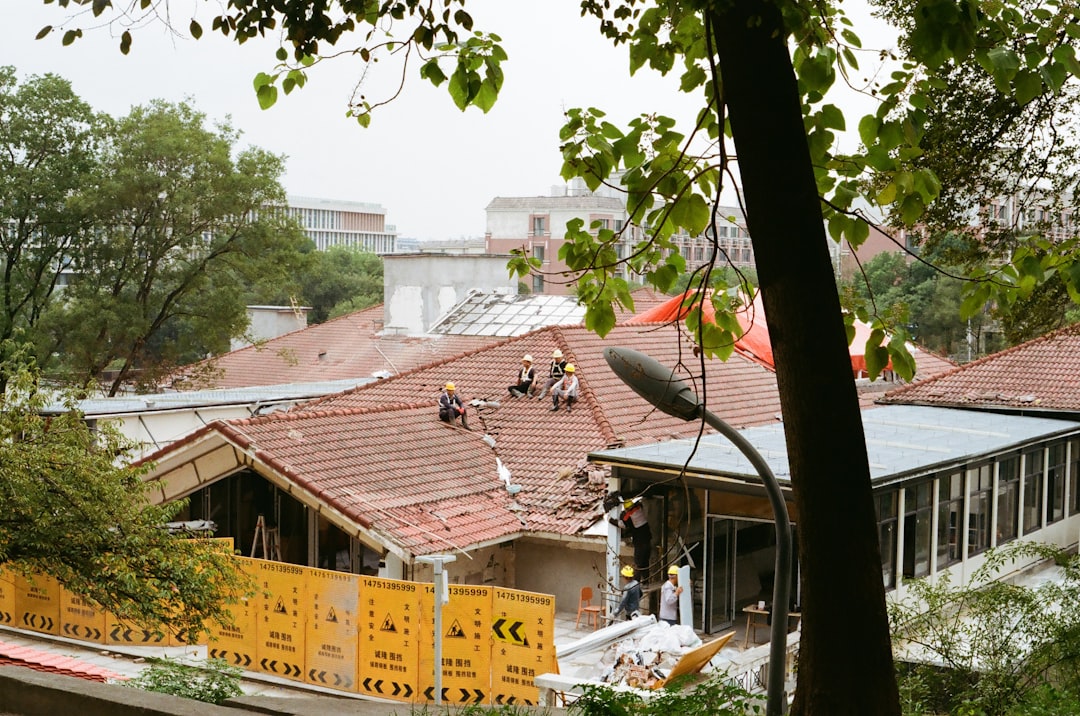
Roof flashing is a critical component of roofing systems, designed to direct water away from vulnerable areas of the roof. It is typically made from materials such as metal, plastic, or rubber and is installed at joints, seams, and transitions where the roof meets walls, chimneys, or other structures. The primary function of flashing is to prevent water infiltration, which can lead to significant damage over time. By creating a barrier against moisture, flashing helps maintain the integrity of the roofing system and protects the underlying structures from rot and mold.
Flashing comes in various forms, including step flashing, continuous flashing, and counter flashing. Step flashing is often used around chimneys and walls, consisting of individual pieces that overlap to create a watertight seal. Continuous flashing, on the other hand, is a single piece that runs along the length of a joint, providing a more uniform barrier. Counter flashing is installed above step flashing to further enhance protection against water intrusion. Understanding these different types of flashing is essential for homeowners and builders alike, as it informs decisions regarding installation and maintenance.
Signs of Roof Flashing Damage
Identifying signs of roof flashing damage is crucial for maintaining the overall health of a roofing system. One of the most common indicators is water stains on ceilings or walls inside the home. These stains often suggest that water has penetrated through the roof and is leaking into the living space, potentially due to compromised flashing. Homeowners should also look for visible rust or corrosion on metal flashing, which can weaken its effectiveness over time. Cracks or gaps in the flashing material are additional warning signs that should not be overlooked.
Another sign of flashing damage is the presence of mold or mildew around roof joints or in attic spaces. This growth indicates prolonged moisture exposure, which can lead to structural issues if not addressed promptly. Additionally, homeowners should inspect their roofs after severe weather events, such as heavy rain or snow, as these conditions can exacerbate existing problems. Regular inspections can help catch issues early, preventing more extensive damage and costly repairs down the line.
Importance of Timely Roof Flashing Repair

Timely repair of roof flashing is essential for several reasons. First and foremost, addressing issues as they arise can prevent more significant problems from developing. Water intrusion due to damaged flashing can lead to structural damage, mold growth, and even compromise the integrity of the entire roofing system. By repairing flashing promptly, homeowners can mitigate these risks and extend the lifespan of their roofs.
Moreover, timely repairs can save homeowners money in the long run. Ignoring minor issues with flashing can lead to more extensive damage that requires costly repairs or even a full roof replacement. Regular maintenance and prompt repairs help ensure that the roofing system remains in good condition, reducing the likelihood of unexpected expenses. Additionally, maintaining proper flashing can enhance energy efficiency by preventing drafts and leaks that may increase heating and cooling costs.
DIY vs Professional Roof Flashing Repair
When it comes to roof flashing repair, homeowners often face the decision between tackling the job themselves or hiring a professional. DIY repairs can be appealing due to cost savings and the satisfaction of completing a project independently. However, it is essential to consider the complexity of the task and the potential risks involved. Proper installation and repair of flashing require knowledge of roofing systems and an understanding of how to effectively seal joints to prevent water intrusion.
On the other hand, hiring a professional roofing contractor can provide peace of mind. Experienced contractors have the necessary skills and tools to perform repairs correctly and efficiently. They can also identify underlying issues that may not be immediately apparent to an untrained eye. While professional services may come at a higher cost, they often result in more durable repairs and can save homeowners from future headaches associated with improper installations.
Common Roof Flashing Materials
| Metric | Value | Details |
|---|---|---|
| Average Repair Cost | 150 – 400 | Typical range for roof flashing repair in Austin |
| Average Repair Time | 2 – 6 hours | Depends on extent of damage and roof type |
| Common Materials Used | Aluminum, Galvanized Steel, Copper | Materials chosen based on roof type and durability |
| Frequency of Repairs | Every 5 – 10 years | Depends on weather exposure and maintenance |
| Weather Impact | High | Storms and heavy rain increase flashing damage risk |
| Warranty Period | 1 – 5 years | Varies by contractor and materials used |
| Common Issues | Leaks, Rust, Loose Flashing | Typical problems leading to repair needs |
Various materials are used for roof flashing, each with its advantages and disadvantages. Metal flashing is one of the most common choices due to its durability and resistance to weathering. Aluminum and galvanized steel are popular options; they are lightweight yet strong enough to withstand harsh conditions. Copper flashing is another option known for its longevity and aesthetic appeal but tends to be more expensive than other materials.
In addition to metal options, there are also synthetic materials available for roof flashing. Rubberized asphalt flashing is flexible and can conform to irregular surfaces, making it suitable for various applications. Vinyl flashing is another alternative that offers resistance to corrosion and UV damage but may not be as durable as metal options. When selecting a material for roof flashing, homeowners should consider factors such as climate, budget, and the specific requirements of their roofing system.
Choosing the Right Roof Flashing for Your Home
Selecting the appropriate roof flashing for a home involves several considerations. First, homeowners should assess their local climate conditions. Areas prone to heavy rainfall or snow may require more robust materials that can withstand increased moisture exposure. Additionally, the type of roofing material used on the home can influence the choice of flashing; for instance, certain types of shingles may necessitate specific types of flashing for optimal performance.
Budget is another critical factor in choosing roof flashing. While it may be tempting to opt for cheaper materials, investing in high-quality flashing can pay off in terms of longevity and effectiveness. Homeowners should also consider consulting with roofing professionals who can provide insights into the best materials for their specific situation. Ultimately, selecting the right roof flashing involves balancing performance, durability, and cost-effectiveness.
Steps for Proper Roof Flashing Installation
Proper installation of roof flashing is essential for ensuring its effectiveness in preventing water intrusion. The first step involves preparing the area where the flashing will be installed by cleaning any debris or old materials that may interfere with adhesion. Next, homeowners should measure and cut the flashing material to fit the specific dimensions required for their roofing system.
Once cut to size, the flashing should be positioned correctly over joints or seams before securing it in place with appropriate fasteners or adhesive. It is crucial to ensure that overlapping sections are installed correctly to create a watertight seal. After installation, homeowners should inspect their work for any gaps or misalignments that could compromise the effectiveness of the flashing. Finally, applying a sealant around edges can provide additional protection against moisture infiltration.
Hiring a Roofing Contractor for Flashing Repair
When considering hiring a roofing contractor for flashing repair, it is essential to conduct thorough research to find a qualified professional. Homeowners should seek contractors with experience in roof flashing installation and repair specifically. Checking online reviews and asking for references can provide valuable insights into a contractor’s reputation and quality of work.
Additionally, obtaining multiple quotes from different contractors can help homeowners compare prices and services offered. It is also advisable to verify that contractors are licensed and insured to protect against potential liabilities during the repair process. A reputable contractor will provide a detailed estimate outlining the scope of work involved and any warranties offered on materials or labor.
Cost of Roof Flashing Repair in Austin
The cost of roof flashing repair in Austin can vary significantly based on several factors, including the extent of damage, type of materials used, and labor costs associated with hiring a contractor. On average, homeowners may expect to pay anywhere from $200 to $1,000 for minor repairs; however, more extensive damage could lead to higher costs.
Factors such as accessibility and complexity of the roofing system can also influence pricing. For instance, roofs with steep pitches or intricate designs may require additional labor and safety measures, increasing overall costs. Homeowners should budget accordingly and consider obtaining multiple estimates before proceeding with repairs to ensure they receive fair pricing.
Benefits of Properly Maintained Roof Flashing
Properly maintained roof flashing offers numerous benefits that contribute to the overall health of a home’s roofing system. One significant advantage is enhanced protection against water intrusion, which helps prevent structural damage and mold growth within living spaces. By ensuring that flashing remains intact and functional, homeowners can avoid costly repairs associated with water damage.
Additionally, well-maintained roof flashing contributes to energy efficiency by preventing drafts and leaks that could lead to increased heating and cooling costs. This efficiency not only saves money on utility bills but also promotes a more comfortable living environment year-round. Regular inspections and maintenance of roof flashing ultimately lead to longer-lasting roofing systems and greater peace of mind for homeowners.
Long-Term Solutions for Roof Flashing Maintenance
To ensure long-term effectiveness of roof flashing, homeowners should implement regular maintenance practices as part of their overall roofing care routine. This includes periodic inspections after severe weather events or at least twice a year to identify any signs of wear or damage early on. Cleaning debris from around flashings can also help prevent blockages that could lead to water pooling.
In addition to inspections, applying protective coatings or sealants periodically can enhance the durability of flashing materials against environmental factors such as UV exposure and moisture penetration. Homeowners should also keep records of any repairs or maintenance performed on their roof flashing; this documentation can be valuable when assessing long-term performance or when selling a home in the future.
By prioritizing proper installation and ongoing maintenance of roof flashing, homeowners can significantly extend its lifespan while safeguarding their homes against potential water damage and related issues.