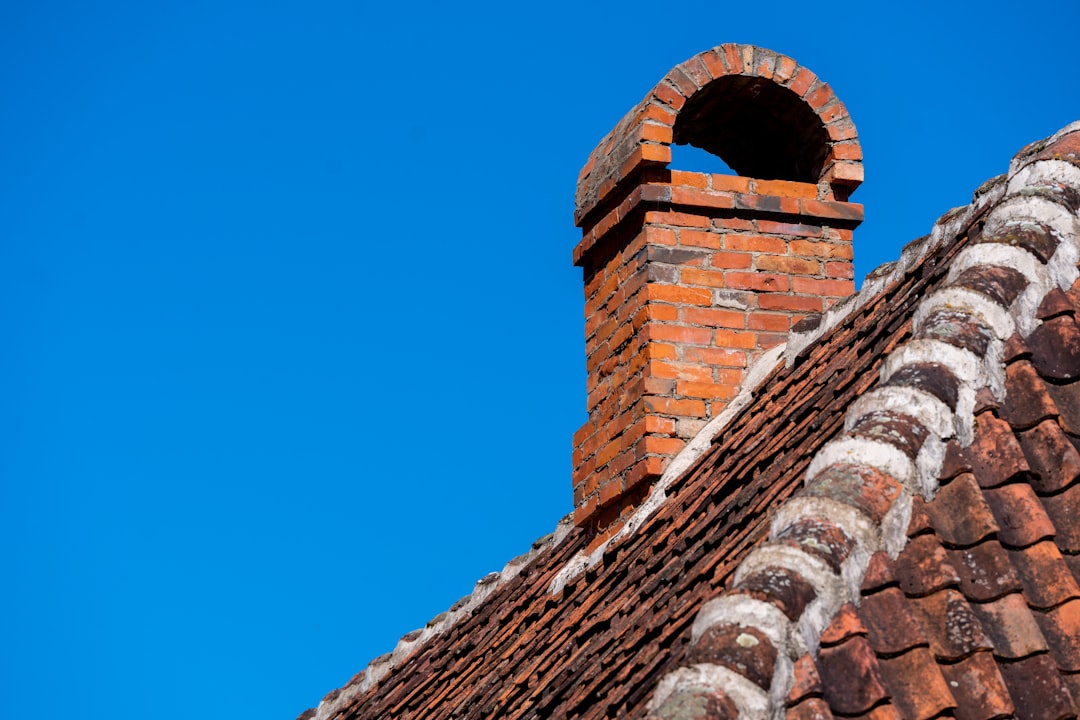
Chimney flashing is a critical component of roofing systems, serving as a barrier that prevents water from infiltrating the junction between the chimney and the roof. This area is particularly vulnerable to leaks due to the different materials and angles involved. Properly installed flashing directs water away from the chimney, ensuring that moisture does not seep into the home’s structure. Without effective flashing, homeowners risk significant water damage, which can lead to costly repairs and compromise the integrity of the entire roofing system.
In addition to its protective function, chimney flashing plays a role in maintaining energy efficiency within a home. When water penetrates the roof structure, it can lead to mold growth and deterioration of insulation materials. This not only affects indoor air quality but can also increase heating and cooling costs as the HVAC system works harder to maintain comfortable temperatures. Therefore, understanding the importance of chimney flashing is essential for homeowners who wish to protect their investment and ensure a safe living environment.
Signs of Chimney Flashing Damage
Identifying signs of chimney flashing damage early can save homeowners from more extensive repairs down the line. One of the most common indicators is water stains on the ceiling or walls near the chimney. These stains often appear as dark spots or discoloration, suggesting that moisture has penetrated through the flashing and into the home. Homeowners should also be vigilant for rust or corrosion on metal flashing, which can indicate prolonged exposure to moisture and may compromise its effectiveness.
Another sign of potential flashing issues is the presence of cracked or missing mortar around the chimney. This deterioration can allow water to seep into the chimney structure itself, leading to further damage. Additionally, if shingles around the chimney appear warped or damaged, it may be a sign that water is not being properly diverted away from this vulnerable area. Regular inspections can help homeowners catch these issues early and address them before they escalate.
Finding a Professional Chimney Flashing Repair Service in Austin
When seeking a professional chimney flashing repair service in Austin, homeowners should prioritize companies with a solid reputation and relevant experience. Online reviews and testimonials can provide insight into a company’s reliability and quality of work. It is also beneficial to ask for recommendations from friends or family who have had similar work done. A well-established company will typically have a portfolio of past projects that demonstrate their expertise in chimney flashing repairs.
In addition to reputation, homeowners should ensure that any potential contractor is licensed and insured. This protects both parties in case of accidents or damage during the repair process. It is advisable to obtain multiple quotes from different service providers to compare pricing and services offered. A thorough evaluation of each contractor’s credentials and experience will help ensure that homeowners make an informed decision when selecting a repair service.
The Process of Chimney Flashing Repair
The process of repairing chimney flashing typically begins with a thorough inspection of the existing flashing and surrounding areas. A qualified technician will assess the condition of the flashing, looking for signs of wear, damage, or improper installation. This initial evaluation is crucial for determining the best course of action for repair or replacement. Depending on the extent of the damage, repairs may involve resealing existing flashing or replacing it entirely.
Once the assessment is complete, the technician will prepare the area for repair. This may involve removing shingles or other roofing materials to access the flashing properly. After addressing any underlying issues, such as damaged roofing or chimney structure, new flashing can be installed or existing flashing can be repaired. The final step usually includes resealing joints and ensuring that all materials are watertight to prevent future leaks. Proper installation is essential for ensuring that the flashing functions effectively in diverting water away from the chimney.
The Benefits of Hiring a Professional for Chimney Flashing Repair
| Metric | Value | Notes |
|---|---|---|
| Average Cost | 350 – 700 | Depends on extent of damage and materials used |
| Average Repair Time | 2 – 4 hours | Varies with complexity and weather conditions |
| Common Materials Used | Aluminum, Copper, Galvanized Steel | Material choice affects durability and cost |
| Frequency of Repairs | Every 5 – 10 years | Depends on weather exposure and maintenance |
| Typical Signs of Damage | Leaks, Rust, Cracks, Loose Flashing | Early detection prevents major damage |
| Local Weather Impact | High heat, occasional heavy rain | Can accelerate wear and tear on flashing |
| Licensed Contractors in Austin | 50+ | Ensure proper certification and insurance |
Hiring a professional for chimney flashing repair offers several advantages over attempting DIY solutions. Professionals bring specialized knowledge and experience to the table, allowing them to identify issues that an untrained eye might miss. Their expertise ensures that repairs are conducted correctly and efficiently, reducing the likelihood of future problems. Additionally, professionals are equipped with the right tools and materials needed for high-quality repairs.
Another significant benefit is safety. Working on roofs can be hazardous, especially for those without proper training or equipment. Professionals are trained to navigate these risks safely, minimizing the chance of accidents or injuries during the repair process. Furthermore, many reputable contractors offer warranties on their work, providing homeowners with peace of mind that their investment is protected should any issues arise after repairs are completed.
Common Chimney Flashing Materials and Their Pros and Cons
Chimney flashing can be made from various materials, each with its own set of advantages and disadvantages. One common material is aluminum, known for its lightweight nature and resistance to rust. Aluminum flashing is relatively easy to install and can be painted to match roofing materials; however, it may not be as durable as other options in extreme weather conditions.
Another popular choice is copper flashing, which is highly durable and resistant to corrosion. Copper develops a patina over time, which some homeowners find aesthetically pleasing. However, its higher cost can be a drawback for some budgets. Galvanized steel is another option that offers strength and durability but may require regular maintenance to prevent rusting over time. Each material has its own unique characteristics, making it essential for homeowners to consider their specific needs when selecting chimney flashing.
Understanding the Cost of Chimney Flashing Repair
The cost of chimney flashing repair can vary widely based on several factors, including the extent of damage, materials used, and labor costs in the local market. On average, homeowners might expect to pay anywhere from $200 to $1,000 for repairs, depending on these variables. Minor repairs such as resealing existing flashing may fall on the lower end of this spectrum, while complete replacement could push costs higher.
It is also important to consider additional expenses that may arise during the repair process. For instance, if underlying roofing materials need replacement or if structural issues with the chimney are discovered during inspection, these factors can significantly increase overall costs. Homeowners should budget accordingly and seek detailed estimates from contractors to understand what their specific repair needs will entail financially.
How to Maintain Chimney Flashing to Prevent Future Damage
Regular maintenance is key to prolonging the life of chimney flashing and preventing future damage. Homeowners should conduct periodic inspections of their chimneys and roofs, looking for signs of wear or deterioration in the flashing material. Cleaning debris from around the chimney area can also help ensure that water flows freely away from the structure rather than pooling around it.
Additionally, homeowners should consider scheduling professional inspections at least once a year, especially after severe weather events such as heavy rain or snowstorms. A professional can identify potential issues before they escalate into more significant problems. Keeping gutters clean and ensuring proper drainage around the home can also contribute to maintaining effective chimney flashing.
Choosing the Right Chimney Flashing Repair Company in Austin
Selecting the right chimney flashing repair company in Austin involves careful consideration of several factors. Homeowners should start by researching local contractors who specialize in roofing and chimney services. Checking online reviews and ratings can provide valuable insights into a company’s reputation within the community.
It is also advisable to verify that any potential contractor holds appropriate licenses and insurance coverage. This not only protects homeowners but also ensures that they are working with qualified professionals who adhere to industry standards. Obtaining multiple quotes allows homeowners to compare services and pricing effectively while asking questions about warranties and post-repair support can help gauge a company’s commitment to customer satisfaction.
The Role of Chimney Flashing in Preventing Water Damage
Chimney flashing plays a vital role in preventing water damage by acting as a barrier against moisture intrusion at one of the most vulnerable points in a roofing system. When properly installed and maintained, flashing directs rainwater away from the chimney and roof junction, significantly reducing the risk of leaks that could lead to structural damage over time.
Water damage resulting from faulty or damaged flashing can manifest in various ways, including mold growth, wood rot, and compromised insulation. These issues not only affect the integrity of a home but can also pose health risks to its occupants. Therefore, ensuring that chimney flashing remains intact is essential for safeguarding both property value and occupant well-being.
The Long-Term Impact of Neglecting Chimney Flashing Repair
Neglecting chimney flashing repair can have serious long-term consequences for homeowners. Over time, small leaks can develop into significant water intrusion issues that compromise structural integrity and lead to costly repairs throughout the home. Mold growth resulting from persistent moisture can create health hazards for residents, particularly those with respiratory conditions or allergies.
In addition to health risks and structural concerns, neglecting chimney flashing can also affect energy efficiency within a home. As insulation becomes damp or damaged due to water intrusion, heating and cooling systems may need to work harder to maintain comfortable temperatures, leading to increased energy bills over time. Ultimately, addressing chimney flashing issues promptly is crucial for protecting both financial investments and overall quality of life within a home.