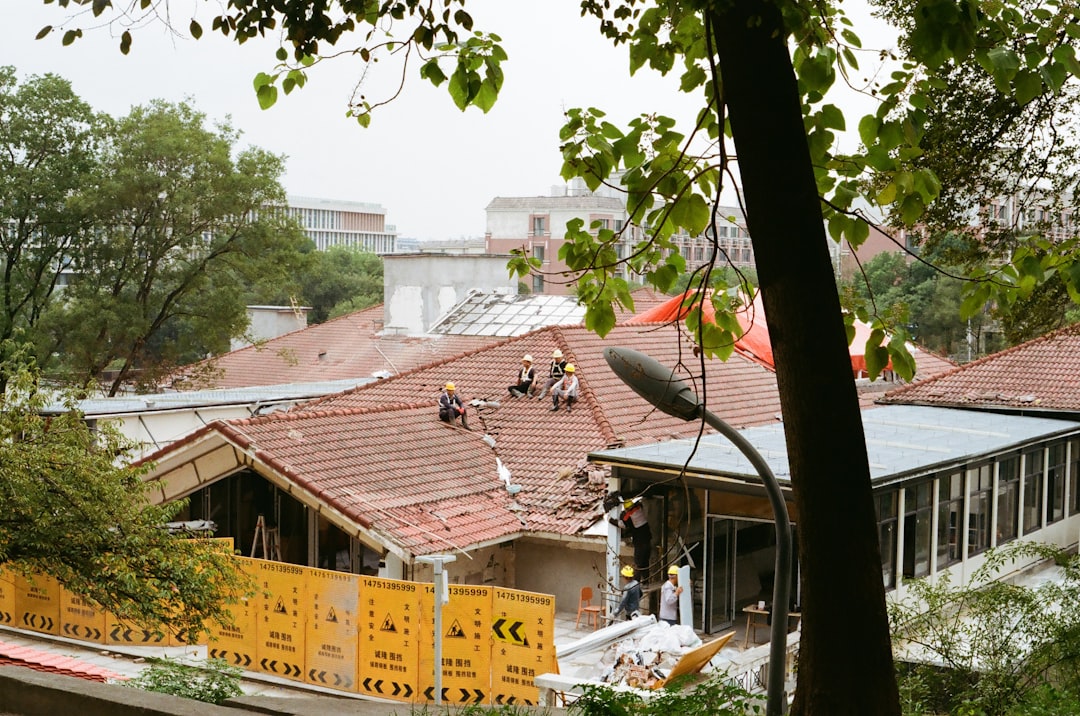
Roof tarping is a critical temporary solution for homeowners facing roof damage due to severe weather, falling debris, or other unforeseen circumstances. When a roof is compromised, it can lead to significant issues, including water leaks, mold growth, and structural damage. Tarping serves as an immediate protective measure that helps to shield the interior of the home from the elements while a more permanent repair solution is arranged. This process is not merely a stopgap; it is an essential step in safeguarding the home and its occupants.
Moreover, roof tarping can be vital in preventing further complications that may arise from exposure to rain, snow, or wind. By covering the damaged area, homeowners can mitigate the risk of additional water intrusion, which can exacerbate existing problems and lead to costly repairs down the line. Understanding the importance of roof tarping is crucial for any homeowner, as it can significantly influence the overall health and safety of the property.
The Benefits of Hiring a Professional Roof Tarping Service
Engaging a professional roof tarping service offers several advantages that can enhance the effectiveness of the tarping process. First and foremost, professionals possess the expertise and experience necessary to assess the extent of the damage accurately. They can determine the best approach for tarping, ensuring that it is done correctly and securely. This level of proficiency reduces the likelihood of mistakes that could lead to further damage or inadequate protection.
Additionally, professional services often come equipped with high-quality materials and tools that may not be readily available to the average homeowner. This access to superior resources ensures that the tarp is durable and capable of withstanding harsh weather conditions. Furthermore, hiring professionals can save homeowners time and effort, allowing them to focus on other pressing matters while ensuring that their home is adequately protected.
How Roof Tarping Can Prevent Further Damage to Your Home
The primary function of roof tarping is to act as a barrier against environmental elements that can cause further damage to an already compromised roof. When a roof is damaged, it becomes vulnerable to water infiltration, which can lead to mold growth, wood rot, and other structural issues. By applying a tarp over the affected area, homeowners can effectively block rainwater and snow from entering their homes, thereby reducing the risk of additional damage.
In addition to preventing water intrusion, roof tarping can also protect against wind damage. High winds can exacerbate existing vulnerabilities in a damaged roof, potentially tearing off shingles or causing further structural compromise. A well-secured tarp can help stabilize the roof and minimize the impact of strong winds, providing an essential layer of protection until permanent repairs can be made.
The Process of Roof Tarping and How It Works

The roof tarping process typically begins with an assessment of the damage by a qualified professional. This evaluation helps determine the extent of the repairs needed and identifies the most effective way to apply the tarp. Once the assessment is complete, the next step involves selecting an appropriate tarp material that is both durable and weather-resistant.
After securing the right materials, professionals will carefully position the tarp over the damaged area. This often involves using heavy-duty fasteners or weights to ensure that the tarp remains in place despite adverse weather conditions. The goal is to create a tight seal that prevents water from seeping underneath while allowing for proper ventilation to avoid trapping moisture. Once installed, regular checks are recommended to ensure that the tarp remains secure and effective until permanent repairs are completed.
Factors to Consider When Choosing a Roof Tarping Service in Austin
| Service Metric | Description | Typical Value | Unit |
|---|---|---|---|
| Response Time | Average time to arrive on-site after service request | 2 | Hours |
| Coverage Area | Maximum roof area covered by tarping service | 2000 | Square Feet |
| Material Thickness | Thickness of tarping material used | 15 | Mil |
| Service Availability | Hours per day service is available | 24 | Hours |
| Average Service Duration | Time taken to complete a typical tarping job | 3 | Hours |
| Warranty Period | Duration of warranty offered on tarping service | 12 | Months |
| Customer Satisfaction | Average customer satisfaction rating | 4.7 | Out of 5 |
When selecting a roof tarping service in Austin, several factors should be taken into account to ensure quality service. First, it is essential to consider the company’s experience and reputation within the community. A well-established service with positive reviews is more likely to provide reliable and effective solutions.
Another important factor is licensing and insurance. A reputable roofing service should be fully licensed and insured to protect both themselves and their clients in case of accidents or damages during the tarping process. Additionally, it may be beneficial to inquire about warranties or guarantees on their work, as this can provide peace of mind regarding the quality of service provided.
The Cost of Roof Tarping and How to Budget for It
The cost of roof tarping can vary significantly based on several factors, including the size of the damaged area, the type of materials used, and labor costs in your region. On average, homeowners might expect to pay anywhere from $200 to $1,500 for professional tarping services. It is advisable to obtain multiple quotes from different providers to ensure competitive pricing.
When budgeting for roof tarping, it is also essential to consider potential additional costs that may arise if further damage is discovered during the assessment process. Setting aside a contingency fund can help cover unexpected expenses related to repairs or additional services needed after the initial tarping has been completed.
Tips for Maintaining the Integrity of Your Tarp-covered Roof
Once a tarp has been installed on a damaged roof, maintaining its integrity becomes crucial for effective protection. Regular inspections should be conducted to check for any signs of wear or displacement caused by wind or rain. Homeowners should look for loose edges or areas where water may be pooling on top of the tarp.
In addition to visual inspections, it is advisable to clear any debris that may accumulate on top of the tarp. Leaves, branches, or other materials can add weight and stress to the tarp, potentially leading to tears or leaks. By keeping the tarp clean and secure, homeowners can maximize its effectiveness until permanent repairs are made.
Common Misconceptions About Roof Tarping and the Truth Behind Them
There are several misconceptions surrounding roof tarping that can lead homeowners to make uninformed decisions. One common belief is that tarping is only necessary for severe damage; however, even minor leaks can escalate into significant problems if not addressed promptly with a tarp. It is essential to recognize that any compromise in a roof’s integrity warrants immediate attention.
Another misconception is that DIY tarping is just as effective as hiring professionals. While some homeowners may feel confident in their abilities, improper installation can lead to inadequate protection and further damage. Professional services bring expertise and experience that are difficult to replicate without proper training.
The Role of Roof Tarping in Insurance Claims for Roof Damage
Roof tarping plays a significant role in insurance claims related to roof damage. Many insurance companies require homeowners to take immediate action to mitigate further damage after an incident occurs. By installing a tarp promptly, homeowners demonstrate their commitment to protecting their property, which can positively influence their claims process.
Additionally, having documentation of the tarping process—such as photographs and receipts—can strengthen an insurance claim by providing evidence of proactive measures taken by the homeowner. This documentation may help expedite claims processing and ensure that homeowners receive appropriate compensation for repairs.
Finding a Reputable Roof Tarping Service Provider in Austin
To find a reputable roof tarping service provider in Austin, homeowners should start by conducting thorough research online. Reading customer reviews and testimonials can provide insight into a company’s reliability and quality of service. Local community forums or social media groups may also offer recommendations based on personal experiences.
It is also advisable to ask for references from potential service providers before making a decision. Speaking directly with previous clients can help gauge satisfaction levels and clarify any concerns regarding service quality or pricing. Ultimately, taking time to research and vet potential providers will lead to better outcomes for homeowners facing roof damage.
The Long-term Impact of Roof Tarping on the Value of Your Home
While roof tarping is primarily a temporary solution, its long-term impact on a home’s value should not be overlooked. By addressing roof damage promptly with a tarp, homeowners can prevent further deterioration that could lead to more extensive repairs or even structural issues down the line. This proactive approach helps maintain property value by ensuring that homes remain safe and structurally sound.
Moreover, potential buyers often view well-maintained properties more favorably than those with visible signs of neglect or damage. By taking immediate action through roof tarping, homeowners signal their commitment to maintaining their property’s integrity, which can positively influence future resale value. In this way, roof tarping serves not only as an immediate protective measure but also as an investment in long-term home value preservation.