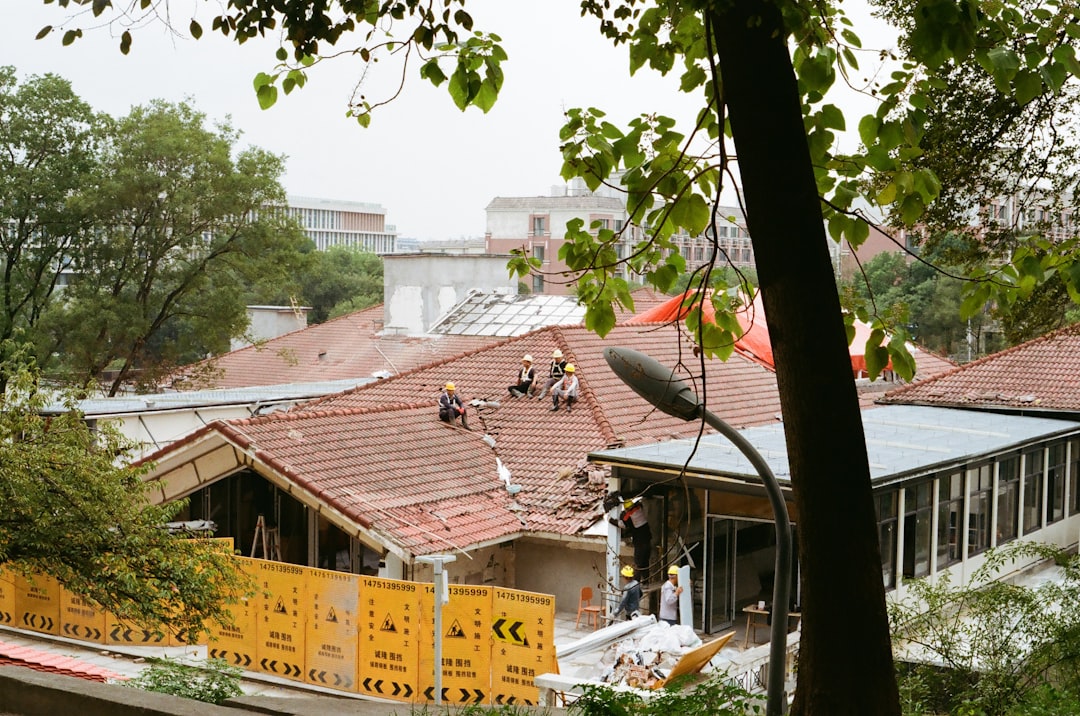
Regular roof maintenance is essential for the longevity and performance of a home’s roofing system. A well-maintained roof not only protects the structure from the elements but also enhances the overall value of the property. Neglecting roof maintenance can lead to significant issues, including leaks, mold growth, and structural damage, which can be costly to repair. By conducting routine inspections and maintenance, homeowners can identify potential problems early, allowing for timely interventions that can save money in the long run.
Moreover, regular maintenance can extend the lifespan of a roof. Most roofing materials have a specific lifespan, but with proper care, they can last significantly longer. This includes cleaning debris, checking for signs of wear and tear, and ensuring that gutters and downspouts are functioning correctly. Homeowners who invest time and resources into maintaining their roofs are likely to experience fewer emergencies and repairs, leading to a more secure and comfortable living environment.
Signs of Roof Damage to Look Out For
Identifying signs of roof damage early can prevent more extensive issues down the line. One of the most common indicators is the presence of missing or damaged shingles. Shingles that are cracked, curled, or completely missing expose the underlying layers of the roof to moisture, which can lead to leaks and further deterioration. Homeowners should regularly inspect their roofs after severe weather events, as high winds and heavy rain can dislodge or damage shingles.
Another sign of potential roof damage is the presence of water stains on ceilings or walls inside the home. These stains often indicate that water is penetrating the roofing system, which could be due to a compromised roof membrane or faulty flashing around chimneys and vents. Additionally, homeowners should be vigilant for sagging areas on the roof, which may suggest structural issues or accumulated water. Addressing these signs promptly can help mitigate more serious problems and ensure the roof remains in good condition.
Choosing the Right Roofing Contractor
Selecting a qualified roofing contractor is crucial for effective roof repair and maintenance. Homeowners should begin by researching local contractors and checking their credentials, including licenses and insurance coverage. A reputable contractor will have a solid track record and positive reviews from previous clients. It is advisable to obtain multiple quotes to compare pricing and services offered, ensuring that the chosen contractor provides a fair estimate based on the specific needs of the roof.
In addition to credentials and pricing, communication is key when choosing a roofing contractor. Homeowners should feel comfortable discussing their concerns and asking questions about the repair process. A reliable contractor will be transparent about their methods, timelines, and any potential challenges that may arise during the project. Establishing a good rapport with the contractor can lead to a smoother repair experience and greater satisfaction with the final results.
Common Roofing Issues in Austin
Austin’s unique climate presents specific challenges for roofing systems. One common issue is damage caused by intense heat and UV exposure. The sun’s rays can degrade roofing materials over time, leading to cracks and brittleness. Homeowners in Austin should be aware of this risk and consider materials that offer better resistance to heat and UV radiation when installing or repairing roofs.
Another prevalent issue in Austin is storm-related damage. The region experiences severe thunderstorms that can bring heavy rain, hail, and strong winds. These weather events can lead to shingle loss, leaks, and other forms of damage. Homeowners should be proactive in inspecting their roofs after storms to assess any potential impact and address repairs promptly to prevent further complications.
The Benefits of Professional Roof Repair
| Metric | Value | Notes |
|---|---|---|
| Average Repair Cost | 350 – 1200 | Depends on roof size and damage extent |
| Average Repair Time | 1 – 3 days | Varies by repair complexity |
| Common Roof Types | Asphalt Shingles, Metal, Tile | Most homes in Austin use these materials |
| Typical Repair Issues | Leaks, Shingle Replacement, Flashing Repair | Frequent problems due to weather |
| Warranty Period | 1 – 5 years | Depends on contractor and repair type |
| Seasonal Demand | High in Spring and Fall | Due to weather changes and storm damage |
Engaging a professional for roof repair offers several advantages over DIY approaches. Professionals bring expertise and experience that can significantly enhance the quality of repairs. They are trained to identify underlying issues that may not be immediately visible to an untrained eye, ensuring that all aspects of the roof are addressed effectively. This thoroughness can prevent future problems from arising, ultimately saving homeowners time and money.
Additionally, professional contractors often have access to high-quality materials and tools that may not be readily available to the average homeowner. This access allows them to perform repairs that meet industry standards, ensuring durability and reliability. Furthermore, many professional roofing services offer warranties on their work, providing homeowners with peace of mind knowing that they are covered in case of future issues related to the repair.
Understanding the Roof Repair Process
The roof repair process typically begins with a thorough inspection by a qualified contractor. This inspection helps identify any visible damage as well as underlying issues that may not be immediately apparent. Once the assessment is complete, the contractor will provide a detailed estimate outlining the necessary repairs and associated costs.
After approval from the homeowner, the repair work commences. This may involve removing damaged shingles or sections of roofing material, repairing or replacing underlying structures, and installing new materials as needed. Throughout this process, communication between the contractor and homeowner is vital to ensure that expectations are met and any concerns are addressed promptly. Once repairs are completed, a final inspection is usually conducted to confirm that all work has been performed correctly.
Materials and Techniques Used in Residential Roof Repair
Various materials are commonly used in residential roof repair, each with its own advantages and disadvantages. Asphalt shingles are among the most popular due to their affordability and ease of installation. They come in various styles and colors, allowing homeowners to choose options that complement their home’s aesthetic.
Other materials include metal roofing, which offers durability and resistance to extreme weather conditions but may come at a higher cost. Tile roofs are also prevalent in certain regions due to their longevity and energy efficiency but require more specialized installation techniques. Understanding these materials helps homeowners make informed decisions about their roofing repairs based on budget, climate considerations, and personal preferences.
Factors to Consider When Budgeting for Roof Repair
When budgeting for roof repair, several factors come into play that can influence overall costs. The extent of damage is one of the primary considerations; more extensive damage typically requires more labor and materials, leading to higher expenses. Homeowners should also consider the type of materials they wish to use for repairs, as some options may be more expensive than others.
Additionally, labor costs can vary based on location and contractor experience. It is advisable for homeowners to obtain multiple quotes from different contractors to ensure they receive a fair price for the work required. Finally, it is wise to set aside a contingency fund within the budget for unexpected expenses that may arise during the repair process.
How Weather Affects Roofing in Austin
Austin’s weather patterns significantly impact roofing systems throughout the year. The region experiences hot summers with high temperatures that can accelerate wear on roofing materials. Prolonged exposure to sunlight can lead to thermal expansion and contraction, which may cause cracking or warping in certain materials.
In contrast, winter months bring occasional rain and cold temperatures that can exacerbate existing vulnerabilities in roofs. Ice dams may form in colder months if snow accumulates on roofs without proper drainage systems in place. Understanding these weather-related factors is crucial for homeowners when planning maintenance schedules or repairs.
Preventative Measures to Avoid Future Roof Damage
Implementing preventative measures can significantly reduce the likelihood of future roof damage. Regular inspections are essential; homeowners should check their roofs at least twice a year for signs of wear or damage. Cleaning gutters regularly ensures proper drainage and prevents water buildup that could lead to leaks or structural issues.
Additionally, trimming overhanging branches can prevent debris accumulation on roofs while reducing the risk of branches falling during storms. Applying protective coatings or sealants can also enhance a roof’s resistance to UV rays and moisture penetration. By taking these proactive steps, homeowners can extend their roofs’ lifespan and maintain their integrity over time.
Finding the Best Roof Repair Solutions for Your Home
Finding effective roof repair solutions involves careful consideration of various factors tailored to individual needs. Homeowners should start by assessing their specific roofing issues and determining whether they require minor repairs or more extensive work. Consulting with experienced contractors can provide valuable insights into available options based on budget constraints and material preferences.
Researching local contractors’ reputations through online reviews or referrals from friends can help identify reliable professionals who offer quality services at competitive prices. Ultimately, selecting the right solutions requires balancing cost-effectiveness with quality workmanship to ensure long-lasting results that protect one’s home effectively.